7 Telehealth Workflows Transformed by Instant Vitals Capture
Discover how contactless vitals telemedicine transforms clinical workflows, from virtual triage to chronic care, improving ROI and platform efficiency.
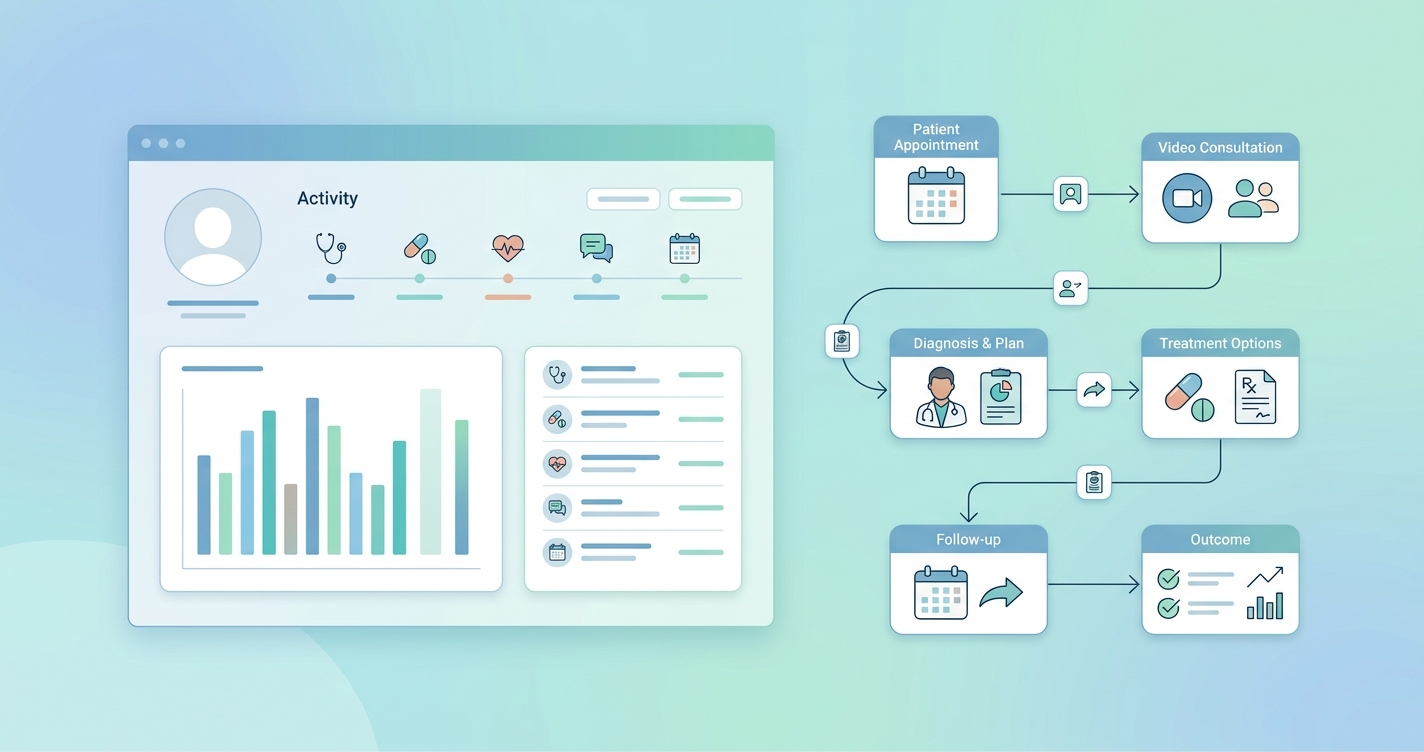
Product managers and engineering leaders in virtual care are constantly balancing two opposing metrics: clinical depth and patient friction. Asking a patient to find, charge, and sync a Bluetooth blood pressure cuff causes a measurable drop in adherence and session completion. Yet, without objective data, providers are often forced to escalate care out of an abundance of caution, degrading the overall efficiency of the platform. Integrating contactless vitals telemedicine technologies directly into the video stream solves this complex equation. By capturing metrics using the existing smartphone or laptop camera, platforms elevate clinical confidence without asking the patient to do anything but sit in front of the screen.
The transition from a subjective conversation to an objective clinical assessment represents a fundamental shift in telehealth architecture. Virtual care is no longer just about connecting a patient and a doctor over a video link; it is about replicating the diagnostic capabilities of an in-person clinic within a digital environment.
"Implementing structured virtual triage systems can lead to a 20 to 30 percent reduction in unnecessary emergency room visits by directing patients to the most appropriate and cost-effective level of care."
- HealthTech Magazine, Virtual Triage Reports, 2023
The business case for contactless vitals telemedicine
For a product manager building the product roadmap for next year, justifying a new technology integration requires mapping features directly to return on investment. Hardware-based remote patient monitoring programs have proven the clinical value of physiological data, but the logistics of shipping, maintaining, and replacing hardware limit scalability and eat into margins.
The integration of camera-based vitals changes the unit economics of a virtual visit. When a telehealth platform can extract vital signs through the optical sensor already present on the patient's device, the cost of data acquisition drops to near zero. This capability allows telehealth companies to market higher-acuity care models to enterprise clients and health plans, directly impacting top-line revenue while controlling operational costs.
| Workflow Element | Traditional Video Visit | Video Visit + Contactless Vitals | | :--- | :--- | :--- | | Patient Onboarding | High friction; requires manual entry of self-reported data | Zero friction; passive capture via camera during the call | | Provider Confidence | Subjective visual assessment and patient narrative only | Objective physiological data supports rapid clinical decisions | | Care Escalation | Often defaults to in-person referral out of liability caution | Data-driven triage routes patients to the appropriate care setting | | Session Duration | Extended by verbal symptom gathering and manual logging | Streamlined by immediate, automated clinical context | | Hardware Costs | Requires shipping physical cuffs or monitors to patients | Utilizes existing consumer hardware |
Telehealth platforms see immediate return on investment across several operational vectors when they automate vital sign collection:
- Reduced average handling time per encounter, allowing providers to see more patients per shift.
- Lowered rates of unnecessary in-person referrals, increasing the value proposition to payer clients.
- Increased provider satisfaction and retention through better clinical context and reduced liability stress.
- Complete elimination of hardware shipping, sanitization, and technical support costs.
- Improved patient conversion rates due to frictionless onboarding experiences.
7 clinical workflows transformed by instant vitals
1. high-acuity virtual triage
When a patient calls a telehealth service complaining of chest tightness or shortness of breath, the traditional virtual triage workflow immediately hits a wall. The provider cannot see the patient's heart rate or respiration rate, triggering an automatic, protocol-driven referral to the emergency department. Instant vitals capture changes this dynamic. It allows the triage nurse or physician to immediately view respiratory rate and heart rate variations on their dashboard. By correlating these metrics with the patient's appearance and verbal responses, the provider can identify whether the patient is genuinely in acute respiratory distress or experiencing a mild anxiety response. This data-backed assessment prevents unnecessary emergency room visits and optimizes health system resources.
2. chronic disease management and check-ins
Routine check-ins for chronic conditions like hypertension, chronic obstructive pulmonary disease, or heart failure often suffer from a severe lack of current data. Patients frequently forget to log their daily readings or lose their monitoring devices. By integrating camera-based vital signs, platforms can passively capture a snapshot of the patient's cardiovascular and respiratory status during the scheduled ten-minute video check-in. This instantly turns a subjective conversation about how the patient has been feeling into a highly specific, data-supported clinical review, allowing for immediate adjustments to care plans without waiting for the patient to mail in a physical logbook.
3. post-operative follow-up
The first 72 hours after an invasive surgery are critical, yet most post-operative follow-ups happen days or even weeks later due to scheduling constraints. Platforms facilitating virtual post-op rounds can use instant vitals capture to spot early signs of infection or surgical complications. A provider can detect an elevated resting heart rate or rapid, shallow breathing patterns that the patient might not even notice. Catching these early physiological warning signs allows the care team to intervene with oral antibiotics or wound care instructions, directly preventing costly hospital readmissions and improving surgical outcomes.
4. medication management and titration
Adjusting dosages for potent cardiovascular, respiratory, or psychiatric medications requires constant physiological feedback. When a patient reports feeling dizzy or lethargic after a recent dose increase, a remote provider desperately needs context. Having instant access to vital signs during the consultation allows the prescriber to make safe, highly informed decisions about medication titration. They can verify if the dizziness is accompanied by a significant drop in heart rate or abnormal breathing patterns, all without requiring the patient to travel to a local pharmacy or urgent care clinic for a physical check.
5. urgent care diversion programs
Many virtual care platforms are actively marketed to self-insured employers and health plans as a primary strategy to divert costly urgent care visits. To fulfill this financial promise, the platform must be capable of handling cases well beyond basic rashes and sinus infections. Equipping remote providers with real-time vitals expands the scope of treatable conditions. It allows the platform to safely manage low-grade fevers, mild respiratory infections, and minor trauma that would otherwise end up in expensive brick-and-mortar clinics. The provider can document the objective data required by standard clinical guidelines, closing the loop on the visit entirely online.
6. pediatric out-of-hours consultations
Assessing a crying, lethargic child over a video screen at two in the morning is a high-stress scenario for both the exhausted parent and the on-call pediatrician. Parents often struggle to accurately count a toddler's respiratory rate while trying to soothe them. An integrated vitals integration can extract this critical data simply by analyzing the child's chest movements and facial micro-color changes on the screen. This gives the pediatrician the objective, clinical-grade data needed to confidently advise the parent to either monitor the child safely at home with fever reducers or seek immediate emergency pediatric care.
7. behavioral health somatic screenings
Mental health and physical health are deeply interconnected, yet behavioral health platforms rarely have access to physiological data. Patients experiencing acute anxiety, panic disorders, or severe depression often present with physical symptoms that closely mimic cardiac events. Modern behavioral health platforms are beginning to capture vital signs at the start of a video session to establish a physiological baseline. This helps therapists differentiate between somatic symptoms of anxiety and potential physical emergencies. Furthermore, it allows the clinician to measure the immediate physiological impact of calming techniques, such as deep breathing exercises, providing real-time feedback to the patient on their progress.
Current research and evidence
The clinical validity of remote photoplethysmography and its positive impact on clinical workflows is heavily supported by a rapidly growing body of peer-reviewed research. A 2024 algorithm development study conducted by Selene Y. L. Tan and colleagues at Singapore General Hospital evaluated remote photoplethysmography technology for blood pressure and hemoglobin level assessment in a preoperative setting. The study successfully demonstrated the viability of using standard smartphone cameras for noninvasive physiological data collection, highlighting the immediate readiness of this technology for real-world, high-stakes clinical applications.
Furthermore, systemic reviews of virtual triage interventions consistently indicate that structured telehealth follow-ups, when equipped with appropriate clinical data and monitoring capabilities, achieve a 15 to 42 percent risk reduction in 7-day and 30-day emergency department revisit rates. This confirms a central thesis for telehealth product managers: giving remote providers better diagnostic tools directly translates to better resource utilization and significantly lower costs for health systems.
The future of telehealth workflow automation
As health systems look beyond simple video connections, the future of virtual care relies entirely on workflow automation and passive data collection. Contactless vitals represent the first critical step in creating a fully automated clinical intake process. In the near future, physiological data, electronic medical history, and predictive risk stratification will be compiled and analyzed before the provider even joins the video call.
This model shifts the telehealth platform from a mere communication tool into a comprehensive, diagnostic environment. Engineering teams that build these capabilities into their platforms today will possess a significant competitive advantage when bidding for enterprise contracts tomorrow. The goal is no longer just connecting people; it is creating a seamless, data-rich environment that empowers clinicians to practice medicine at the highest level, regardless of physical distance.
Frequently asked questions
What is contactless vitals telemedicine? It is the use of remote photoplethysmography technology to measure a patient's vital signs, such as heart rate and respiration rate, using a standard webcam or smartphone camera during a virtual visit, requiring no physical contact or specialized hardware.
How does automated vital sign capture improve return on investment? It improves return on investment by reducing the average handling time of virtual visits, lowering the number of unnecessary emergency room referrals, and entirely eliminating the logistics, shipping, and maintenance costs associated with physical remote monitoring devices.
Does camera-based monitoring require patients to download an app? Not necessarily. Modern software development kits can be integrated directly into a telehealth platform's existing web or mobile application. This allows patients to join a standard browser-based video call via a simple link, while their vitals are captured seamlessly in the background.
Can real-time vitals replace traditional remote patient monitoring? While continuous remote patient monitoring is necessary for certain high-risk chronic conditions requiring round-the-clock observation, camera-based spot checks during video visits offer a highly scalable, hardware-free alternative for the vast majority of patient populations requiring periodic assessment.
For telehealth product teams looking to drive operational efficiency and expand their clinical capabilities, integrating a camera-based vital signs solution is a clear path forward. Circadify is actively addressing this space by providing developers with the tools to embed real-time physiological measurements seamlessly into existing clinical workflows. To explore how this technology can elevate your platform's care delivery without adding patient friction, view a platform demo and access the integration documentation at circadify.com/custom-builds.